
As the Spotted Eagle Owls around Great Brakriver begin their journey to independence, you might encounter young owls grounded in your area. These little ones, with their striking yellow eyes and fluffy feathers, are going through a critical learning stage known as fledging, where they practice essential flying skills. Here’s what to know about this process and how to support their development safely.
Young Owls on the Ground: A Normal Part of Growing Up
During the fledgling stage, juvenile Spotted Eagle Owls leave their nests to explore their surroundings. While they aren’t quite ready to take full flight, this time on the ground is crucial for strengthening their muscles and refining their coordination. Though it can be concerning to see them on the ground, it’s a natural part of their growth.
How You Can Help in Great Brakriver
If you come across a young owl, it’s best to observe from a distance. Only intervene if the owl is in immediate danger—such as being near a busy road or predator. The parents are often nearby, keeping a watchful eye, and human interference can unintentionally cause harm.
If you have concerns or aren’t sure what to do, reach out to local wildlife organizations like the Great Brak Conservancy. They can provide guidance to ensure the owl’s safety while allowing it to develop naturally.
The Great Brak Conservancy’s Spotted Eagle Owl Project
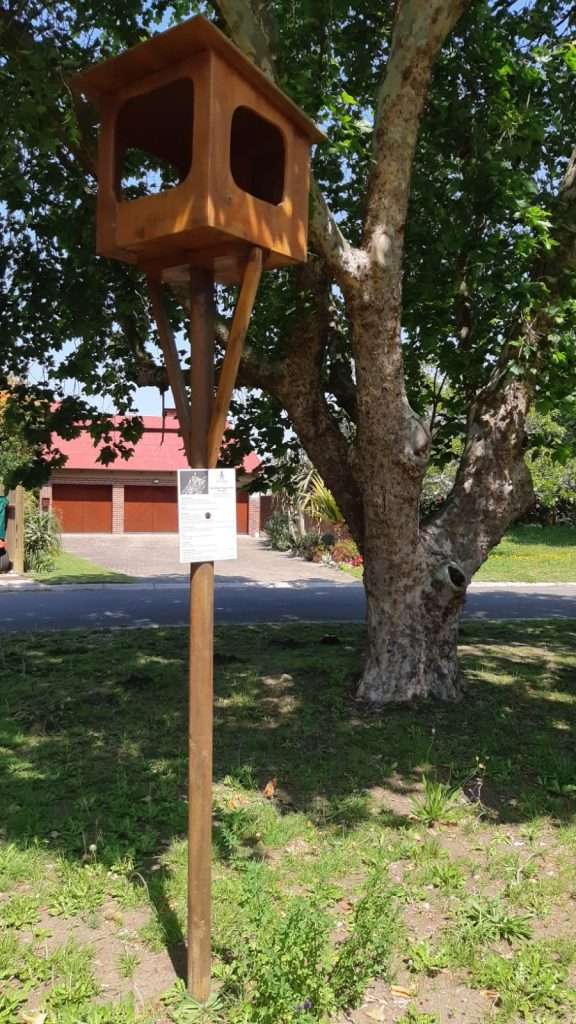
To support the local owl population, the Great Brak Conservancy has set up multiple nesting sites specifically designed for Spotted Eagle Owls. These nesting sites are elevated boxes placed atop poles, providing a safe environment for the owls to nest and rear their young. By creating these secure spaces, the Conservancy is helping to promote successful breeding and reduce risks from ground predators and human interference.
About the Spotted Eagle Owl
The Spotted Eagle Owl (Bubo africanus) is a highly adaptable bird of prey found across Great Brakriver’s woodlands, grasslands, and urban areas. Recognized by its prominent ear tufts and piercing yellow eyes, this owl plays a crucial role in controlling local pest populations, feeding on insects, rodents, and even small snakes.
Breeding and Development Facts
- Breeding Season: Spotted Eagle Owls breed from late July to early February, with egg-laying peaking between August and October.
- Nesting Habits: These owls usually nest on the ground or take advantage of natural shelters like tree hollows. Thanks to the Great Brak Conservancy, they now also have access to secure nesting boxes.
- Growth Timeline: After a 32-34 day incubation period, the chicks hatch. They begin exploring at around six weeks old, spending time on the ground as they learn to fly and hunt. By four months, they’re generally independent.
Fascinating Facts About Spotted Eagle Owls
- They can rotate their heads up to 270 degrees, giving them a wider field of vision.
- Spotted Eagle Owls are silent fliers, a trait that helps them sneak up on prey.
- One owl can eat up to 1,000 rodents annually, contributing significantly to local pest control.
- They are vulnerable to rodenticides, which can travel up the food chain, endangering owl populations.
With the support of the Great Brak Conservancy and informed community members, these young owls can safely grow and thrive. By understanding their natural behaviors and providing the right type of support, we can help ensure the Spotted Eagle Owl remains a vibrant part of the Great Brakriver ecosystem.


Add Comment
You must be logged in to post a comment.